The saying “Pushteti absolut korrupton absolutisht,” which translates to “Absolute power corrupts absolutely,” is a timeless observation on the nature of power and its effects on morality. This phrase is attributed to the 19th-century British politician Lord Acton. Although the idea had been expressed in various forms before, it was Lord Acton’s articulation that has become most renowned.
The essence of this saying is that as an individual’s power increases, their sense of morality and responsibility towards others diminishes. This concept has been observed throughout history, with numerous examples of leaders who, upon gaining absolute power, have allowed it to erode their ethical compass.
In the context of Albania, one can look to the period following the fall of communism in 1991. The sudden absence of a structured political system led to a power vacuum that was quickly exploited by a clientelist regime. This regime often had close ties to organized crime, such as drug trafficking, which further corrupted the political landscape.
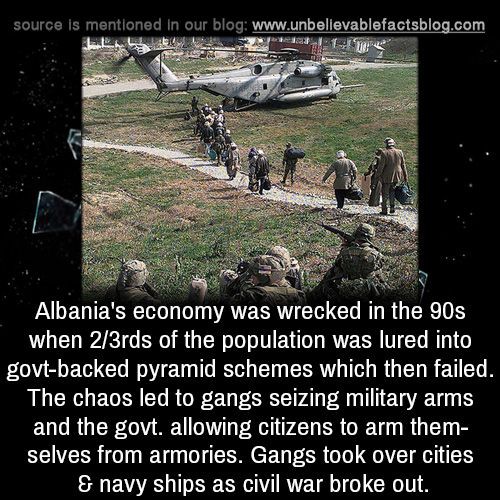
One notable example is the pyramid schemes crisis of the mid-1990s. The Albanian government, under President Sali Berisha, was accused of being deeply involved in these fraudulent investment funds, which led to widespread corruption at the highest levels of power. When the schemes collapsed, it resulted in financial ruin for many Albanians and sparked civil unrest and violence across the country.
This crisis exemplified the saying “Pushteti absolut korrupton absolutisht,” as the unchecked power of the government officials allowed them to engage in corrupt practices with little regard for the welfare of the populace. It serves as a historical reminder of the dangers of absolute power and the importance of checks and balances in governance.
The legacy of this period still affects Albania today, as the country continues to grapple with corruption and its consequences. Efforts have been made to combat corruption, but the journey towards transparency and accountability is ongoing.
In conclusion, the saying “Pushteti absolut korrupton absolutisht” is not only a reflection of historical events but also a relevant caution for current and future leaders. It underscores the need for vigilance and integrity in the exercise of power, lest history repeats itself with the same tragic outcomes.
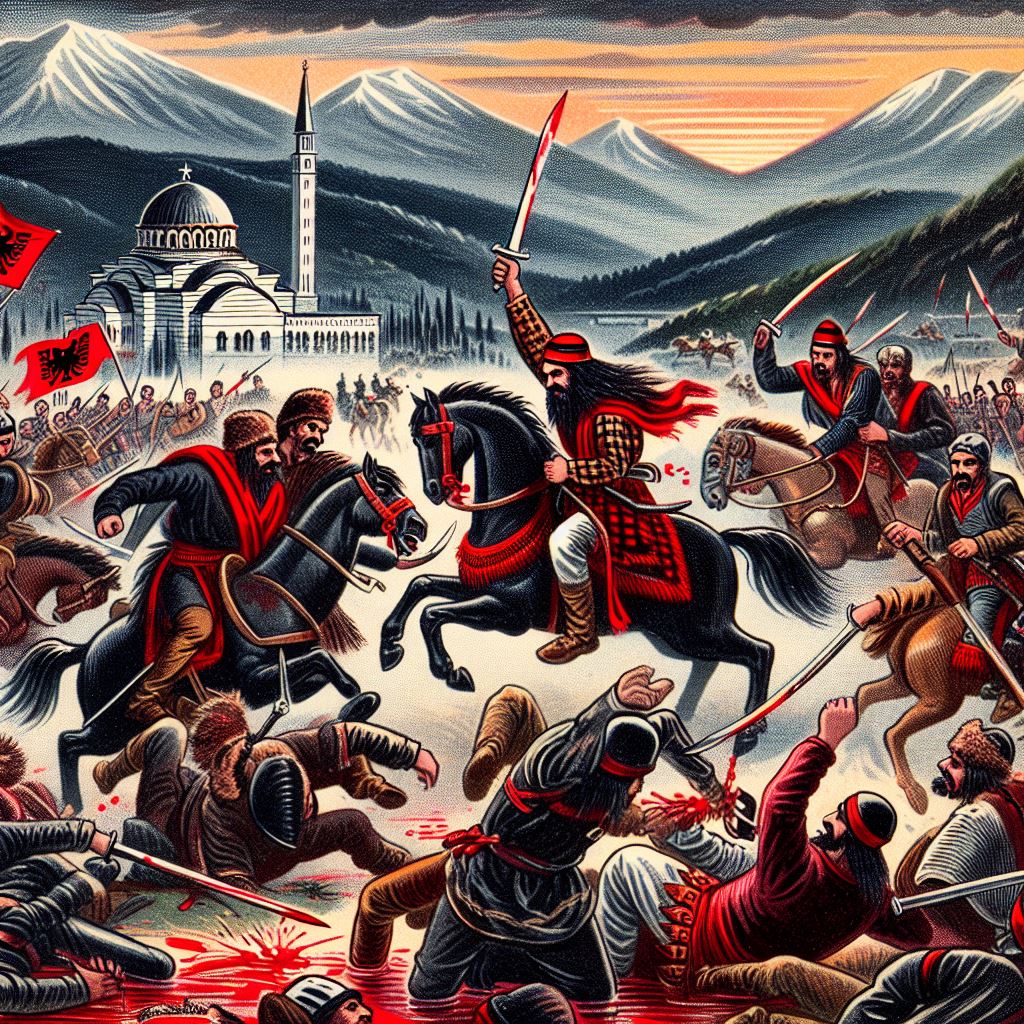
The term **gjakmarrje**, translating to “blood-taking” or “blood feud,” is deeply entrenched in Albanian culture. It represents a social obligation to kill an offender or their family member to restore one’s honor. This practice aligns with the **Canon of Lekë Dukagjini** or simply the **Kanun**, a code consisting of 12 books and 1,262 articles.
**Etymology and Phonology**
The word **gjakmarrje** is a compound of “gjak” (blood) and “marrje” (taking). Phonologically, it reflects the Albanian language’s rich history of sounds, with the voiced palatal approximant ‘j’ and the trilled ‘r’ playing a significant role in its pronunciation.
**Morphology**
Morphologically, **gjakmarrje** is a noun formed by combining two roots that convey the concept of taking revenge through blood, a notion that has shaped the societal and legal frameworks within Albanian communities.
**History**
Historically, gjakmarrje dates back to a time when Ottoman control was minimal in Albania, particularly in the mountains where Albanian highlanders lived autonomously by the Kanun. It was a non-religious code used by Muslims and Christians alike, emphasizing the protection of honor as a core value.
**Association within Albanian Society**
In Albanian society, gjakmarrje has been a mechanism for maintaining social order, especially in the northern highlands and remote areas. It has seen a resurgence due to the lack of state control post-communism². The practice often extends across generations if the ‘debt’ is not settled, leading to cycles of violence and retribution.
Efforts to address gjakmarrje include peace education and transforming attitudes to introduce socially acceptable alternatives to this violent conflict. Informal settings provide opportunities for such education, aiming to reduce the practice’s prevalence and impact.
In conclusion, gjakmarrje is more than a word; it’s a historical and cultural phenomenon that continues to influence Albanian society. Understanding its etymology, phonology, morphology, and history provides insight into its significant role and the ongoing efforts to mitigate its effects on modern Albanian life.
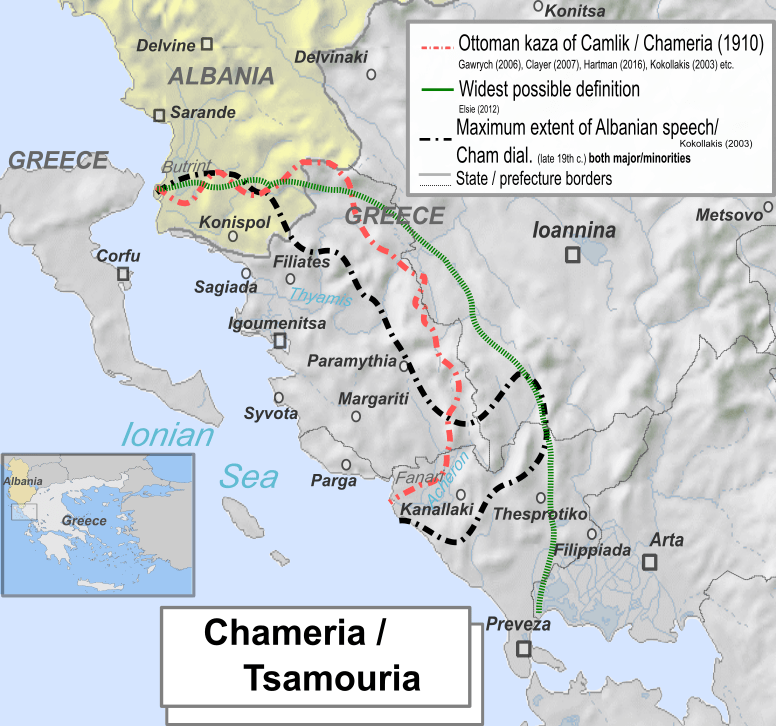
Chameria is a mountainous region of the southwestern Balkan Peninsula that now straddles the Greek-Albanian border. Most of Chameria is in the Greek Province of Epirus, corresponding largely to the prefectures of Thesprotia and Preveza, but it also includes the southern-most part of Albania, the area around Konispol. It is approximately 10,000 square kilometres in size and has a current, mostly Greek-speaking population of about 150,000. The core or central region of Chameria, known in Greek as Thesprotia, could be said to be the basins of the Kalamas and Acheron Rivers. It was the Kalamas River, known in ancient times as the Thyamis, that gave Chameria its name.
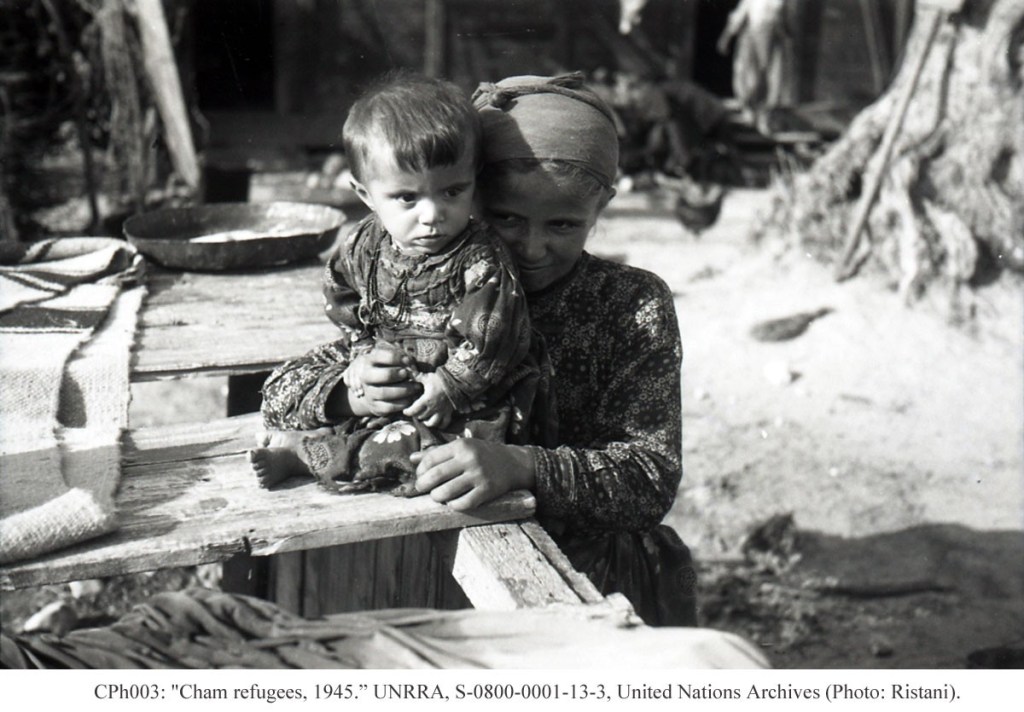
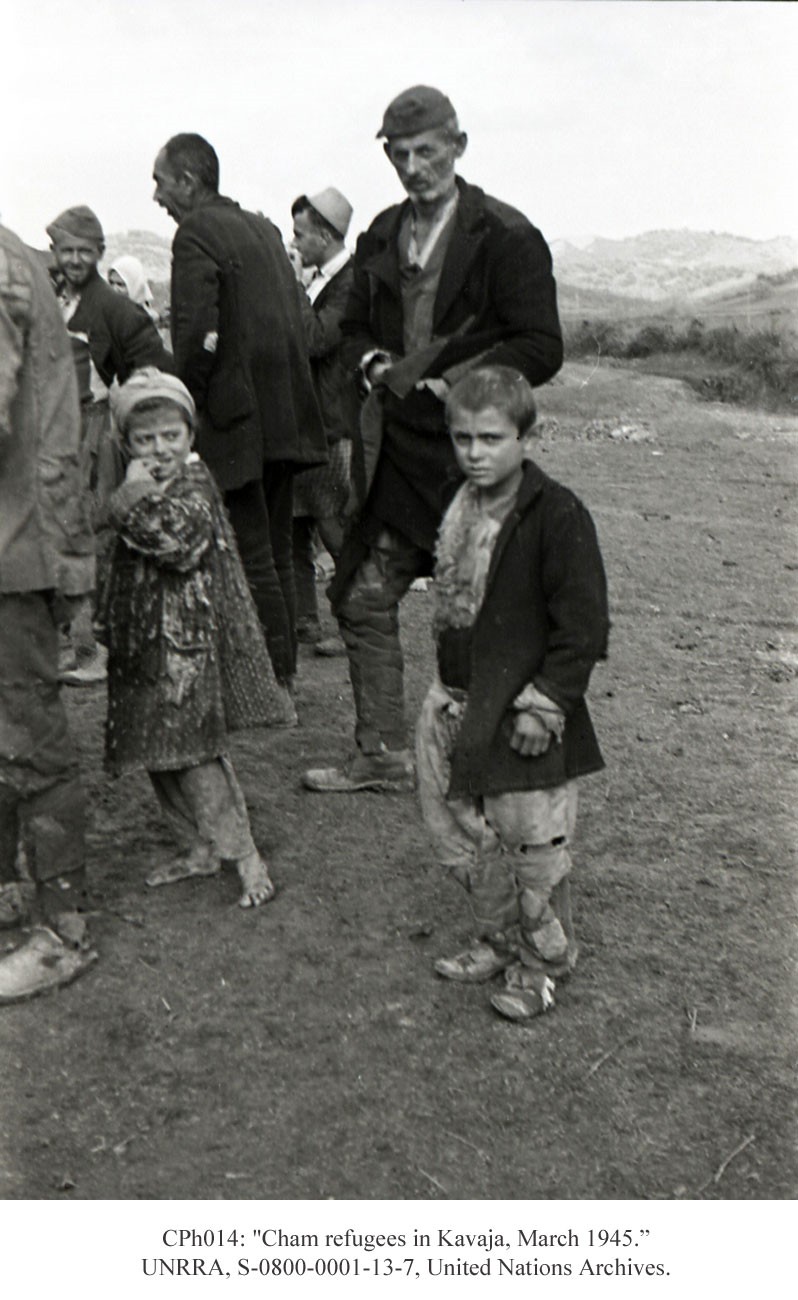
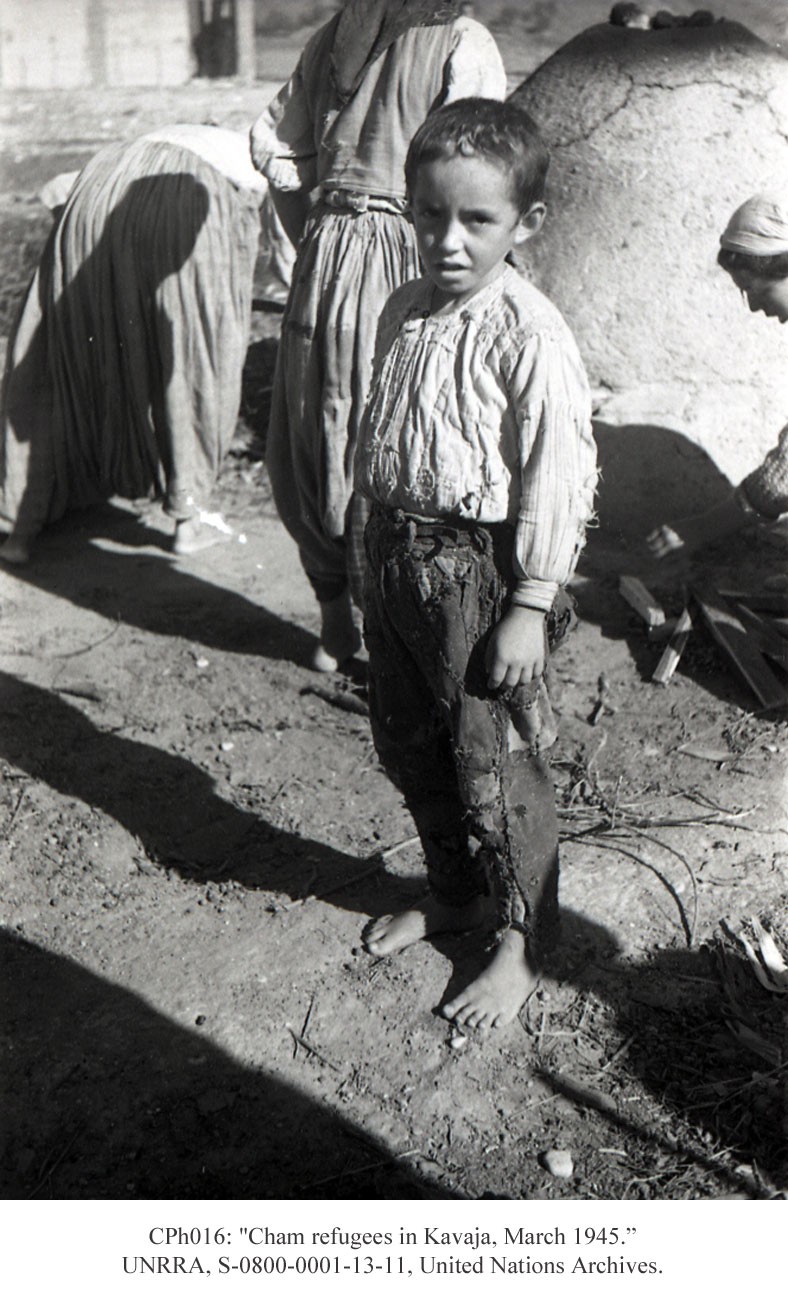
The Chams, known in Greek as Tsamides, are no other than Albanians living in the extreme southern part of Albanian-speaking territory. Among their traditional settlements in the now relatively sparsely inhabited region of Chameria were Gumenica/Igoumenitsa, Filat/Filiates, Paramithia/Paramythia, Parga and Margëlliç/Margariti and, in particular, many smaller villages that were abandoned and are in ruins and presently covered in vegetation. There were Cham settlements sporadically southwards as far as Preveza. When Greek forces took possession of Chameria and southern Epirus in the Balkan War of 1912, the Chams suddenly found themselves in Greece, cut off from the rest of Albania. In the following decades, in particular the 1920s, 1930s and 1940s, the vast majority of the Chams emigrated or were expelled from Chameria. With the German withdrawal from Greece in the summer and early autumn of 1944, the region was enmeshed in the initial throes of a bloody civil war. British forces, anxious to secure the Ionian coastline in order to ensure maritime supply routes, encouraged the forces of a local military commander, General Napoleon Zervas (1891-1957), to take over the region. Zervas, the founder and leader of a Greek resistance movement called the National Republican Greek League (Ethnikós Demokratikós Ellenikós Sýndesmos – EDES), became known for his brutal ethnic cleansing of the Albanians of Chameria from June 1944 to March 1945. He and many of his men regarded the Chams collectively as collaborators with the Italians and Germans, and sought vengeance. Several thousand men, women and children from Chameria found their deaths during his incursions. On 27 June 1944, his forces entered the town of Paramithia and killed about 600 Muslim Chams – men, women and children – in an orgy of violence. Many of the victims were raped and tortured before being slaughtered. Another EDES battalion advanced into Parga the next day where 52 more Albanians were killed. On 23 September 1944, the village of Spatar near Filat was looted and 157 people were murdered. Numerous young women and girls were raped, and other unspeakable crimes were committed. In the immediate aftermath, virtually the entire Cham population, defenceless and petrified, took to the hills and fled for their lives to Albania. The Chameria Association in Tirana estimates that a total of 2,771 Albanian civilians were killed during the 1944-1945 attacks on Cham villages.The cleansing of the Muslim Chams of Greece at the end of the Second World War marked the end of a one painful chapter of Cham history and the beginning of another. The Albania, to which the exhausted and starving Chams fled, had shortly before their arrival come under the control of Enver Hoxha (1908-1985) and his communist forces. The new Marxist rulers were not entirely disposed to assist their suffering compatriots. The Chams were nonetheless given refugee status and allowed to remain in Albania. It was the United Nations Relief and Rehabilitation Administration (UNRRA), active as a relief agency in Albania from September 1945 to the spring of 1947, that provided emergency assistance to the Chams by distributing tents, food and medicine to their squalid camps in Vlora, Fier, Durrës, Kavaja, Delvina and Tirana. In the years immediately following the Second World War, the Anti-Fascist Committee of Cham Immigrants campaigned for the return of the Chams to their homeland. Most of them did not want to stay in Albania anyway, in particular in view of the Stalinist-type purges taking place there. The Committee held two congresses in 1945, one in Konispol and the other in Vlora, and wrote memoranda and sent telegrams in support of its goals. The Cham issue was also brought up by Albania at the Paris Peace Conference of 1946, but all of these activities proved to be in vain. Efforts to internationalize the Cham issue fell, for the most part, on deaf ears. For several years, the Chams continued to hope that when the political situation calmed down, they would be able to return to Greece. However, this did not happen. Even today, in the twenty-first century, elderly Chams wishing to see the land of their birth, even on a short visit, are turned back at the border by Greek customs officials. Their passports are stamped persona non grata and on occasion are even torn up before their very eyes.
Robert Elsie
These photos were taken in 1945 at Cham refugee camps in Albania by members of the United Nations Relief and Rehabilitation Administration (UNRRA).
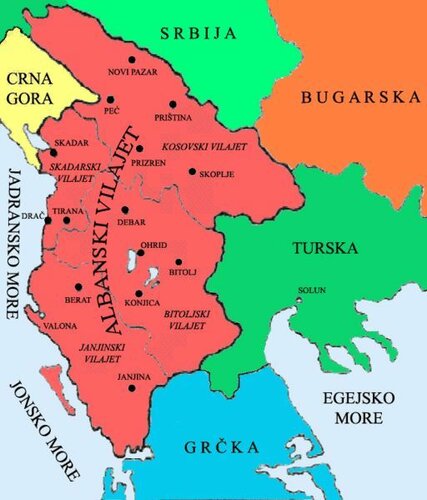
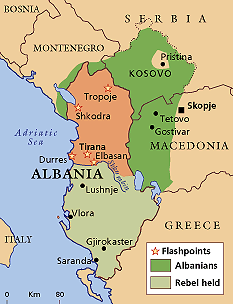
Outside observers tend to think of Albania as a monolithic bloc, but just below the “Greater Albania” surface is a depth of societal division, periodically drained by the “unifying” valve of ethnic irredentism. The country is suffering from such a degree of corruption and mismanagement that thousands of its citizens have opted to flee and begin their lives anew in Germany, which has only contributed to the economic crisis that Albania has found itself in and raises fears of oncoming political unrest. Something else that needs to be spoken about when addressing domestic Albanian divisions is the potential for the Gheg and Tosk geographical dialect divisions to coalesce into concrete regionalist identities that weaken the cohesiveness of the Albanian state.
Squeezed between grassroots socio-economic pressures and the threat that the geo-dialect divide might one day take on political contours, the Tirana elite has resorted to the myth of “Greater Albania” in order to maintain ‘unity’ and redirect society’s growing anger towards a ‘regional crusade’. What they may not have calculated, however, is that the country’s strategic Christian minority might one day identify closer with their neighboring co-confessionalists than the with the diversion of “Greater Albania”, and if they take the lead in exposing this charade, then the entire national fabric might eventually unravel in unpredictable directions.
The article starts off by highlighting the economic desperation prevalent in Albania and its occupied colony of Kosovo and how the huge migrant flows this has stimulated have given Tirana’s elite a serious cause for self-interested concern. Afterwards, it explores the Gheg and Tosk dialect divide and the prospects for its politicization in the future, especially in the absence of a ‘unifying’ “Greater Albania” ideology or a major weakening thereof. Part II continues the research by examining the potential for Albania’s Christian minority to play the vanguard role in leading the domestic resistance to the “Greater Albania” ‘theology’. Following that, it looks at the possibility of the government responding through a Turkish-supported ‘soft’ Islamization of society to counter the Christian dissidents, with all of the unintentional and explosive problems that this could predictably create. Finally, the work concludes by assessing the most probable impact of all these processes on Albanian society and touching upon three interrelated scenarios.
Lost amidst the news-grabbing headlines about the Mideast’s migrant crisis to Europe is the internal one that hit uncontrollable proportions at the beginning , but was soon eclipsed by its more politically convenient counterpart. The Independent Balkan News Agency reported in April that 20,000 Albanians had already left their country in search of better opportunities in the EU, with The Telegraph writing in late February that 50,000 Albanians had left Kosovo by that time for the same reason. Taken together, that’s at least 70,000 Albanians that have fled the Balkans by early 2015, but unfortunately for observers, news coverage about this mass exodus was overshadowed as the Mideast migrant crisis began spiraling out of control, and it has since then been extremely difficult to find reliable figures about the number of Albanian migrants since, let alone any detailed coverage in general.
Step Out Of The Shadows, Get Deported:
A mid-summer article from Euroactiv counted around 8,000 Albanians requesting asylum in Germany, despite the 2% or so success rate for that group at the time. More than likely, the rest of the at least 70,000 Albanian migrants didn’t even want to apply for asylum because they knew the almost impossible odds of receiving this benefit and also suspected their departure entities would soon be put on a list of “safe countries” that would lead to the deportation of 98% of those said applicants. Choosing instead to treat their stay in Germany not as a lifelong new beginning but an indefinite working trip, they opted not to notify authorities of their presence. In hindsight, this was a wise decision on their part because Germany eventually did declare Albania and “Kosovo” “safe countries” and has already begun deporting 716 of the prior applicants (almost 9% of the total) back to Tirana within a month of making the decision.
Unwanted In Their Own Country:
Although proportionately small in number when compared to all the Albanians that have fled so far this year (and obviously more by now than the 70,000 that were counted in spring), Tirana is afraid that a large wave of deported individuals will soon arrive back in the country. These angry and unemployed individuals might rightly begin agitating against the government and demanding real economic change in their country, and that’s what really makes the elite anxious. Furthermore, deported Albanians that return to the occupied Serbian Province of Kosovo might refrain from making such a trip again and instead opt to find a job in Albania instead, which would further strain the domestic labor market and increase unemployment.


 Albania