
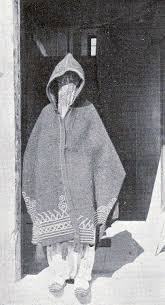
The French diplomat and writer, Baron Alexandre Degrand (1844-1911), was born in Paris where he joined the French foreign service. From 1893 to 1899 he served as French consul in Shkodra. Baron Degrand was especially interested in the history of the region, in particular its prehistory and antiquity, and visited fortresses, mediaeval churches and ruins, noting what he saw and what he was told by the people he met. Two years after his departure from Albania, he published his ‘Souvenirs de la Haute-Albanie’ (Memories of High Albania), Paris 1901, a well-documented description of northern Albania of the period. The following is the narrative of his visit to Tirana.
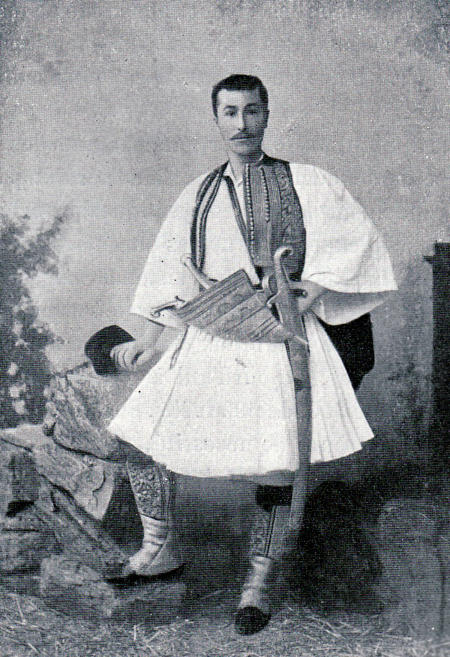
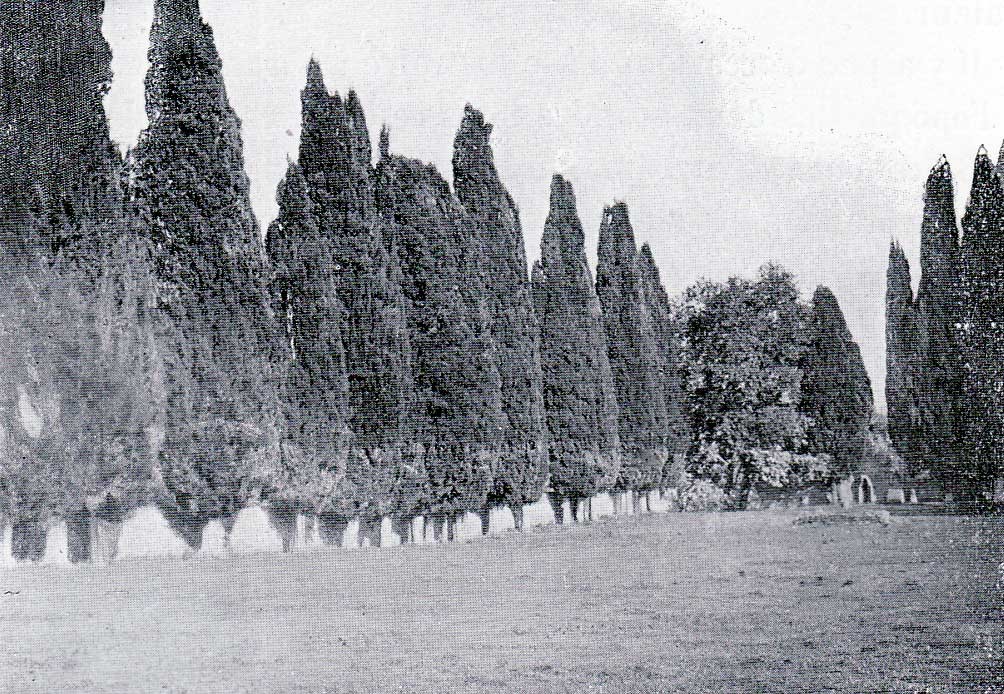
A good horse can easily get you from Durrës to Tirana in eight hours if the countryside is not wet. You leave ancient Petra to your right, where the Roman Senate once camped out during the conflict with Caesar, and continue in open country dotted with groves of trees here and there. It is fertile land and yields a good harvest. The people work out in the fields without their rifles, and they look less wild. I would like to have seen their homes, but did not meet any of them along the way. The fair plain is sparsely populated – vast stretches of uncultivated land with no people at all and, what is more, no roads to transport rice and other cereals to Durrës, the port of departure. Entering Tirana is a charming experience, and a very agreeable impression is to be had from the houses in the outskirts and the beautiful trees in the extensive gardens. The journey ends on a large square on which are situated a clock tower and the Haji Ethem Bey Mosque.The mosques of Tirana are all covered in ornaments and tempera painting and their bright colours produce a wonderful effect in the sunshine. None of the towns I have visited in Albania has so much character. Founded by a Muslim, it has changed little in the last three or four centuries. One does not see the transformations and changes one encounters in other towns. It is the town in which Muslims find what they are always looking for: water, flowers, good fruit and an agreeable climate, i.e. a place where life is good. It has an important and curious bazaar, with wooden houses and galleries, enormous caravanserais, and alleyways continuously cleansed by streams of flowing water. The population is thought to be about 25,000.
I had just got off my horse at the caravanserai where I intended to stay, when Mr Petrovici, the director of the Régie Ottomane des Tabacs in Durrës, having heard of my arrival, came to see me and inform me on behalf of Fuad Bey, one of the rich landowners in the region, that rooms had been made available for me and my entourage. He noted that when news of my arrival spread, several beys had wanted to be my host and, had he not been in the house of Fuad Bey, who convinced them to give way so that we could all be together, I would have been forced to choose from among several invitations. Fuad Bey received me very kindly. He was still quite a young man and was dressed in European fashion. He had been abroad and both he and his children bought their clothes in Paris. To my great surprise, the room to which I was led, was completely furnished in French style, including the bed. As a result, of course, it lacked local colour, but I must admit I felt very much at home there. The hospitable reception was charming and boundless. It was the home of a great landowner. The table, on which a great variety of meals were offered to us, was often used by up to thirty passing visitors. Both wine and beer were set out for me.
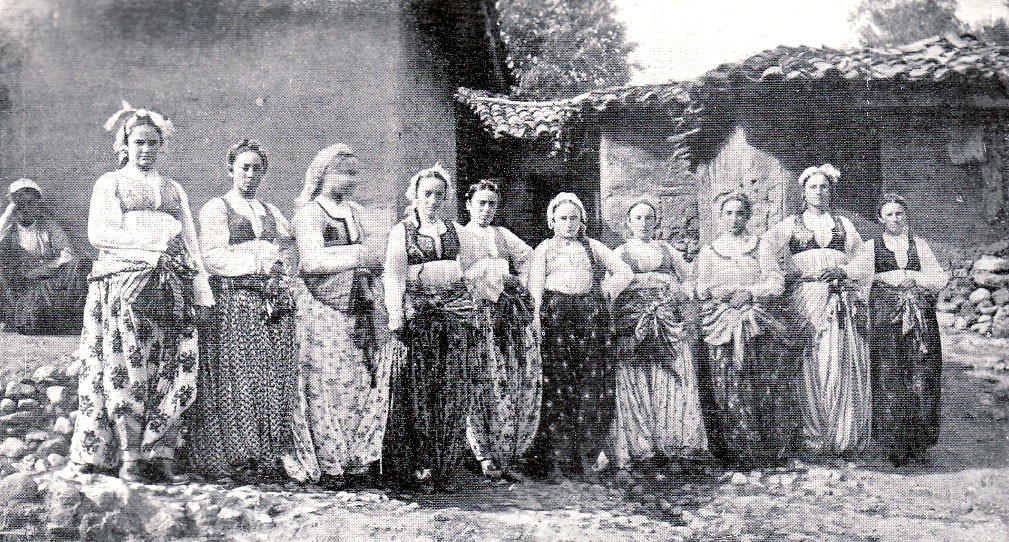
I spent many leisurely hours in the garden under the orange trees, listening to the prattle of the children and answering the questions of my host’s daughter and niece. It was a great surprise when he acquainted me
Excerpt from Alexandre Degrand, Souvenirs de la Haute-Albanie (Paris 1901), p. 184-196. Translated from the French by Robert Elsie.]
 Albania