
The Origin and a Historical Example in Albania
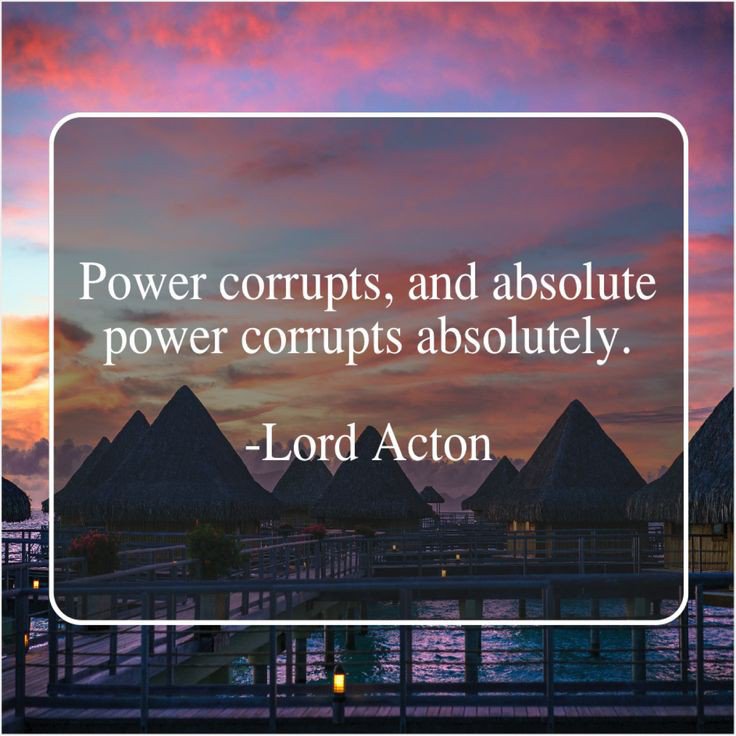
The saying “Pushteti absolut korrupton absolutisht,” which translates to “Absolute power corrupts absolutely,” is a timeless observation on the nature of power and its effects on morality. This phrase is attributed to the 19th-century British politician Lord Acton. Although the idea had been expressed in various forms before, it was Lord Acton’s articulation that has become most renowned.
The essence of this saying is that as an individual’s power increases, their sense of morality and responsibility towards others diminishes. This concept has been observed throughout history, with numerous examples of leaders who, upon gaining absolute power, have allowed it to erode their ethical compass.
In the context of Albania, one can look to the period following the fall of communism in 1991. The sudden absence of a structured political system led to a power vacuum that was quickly exploited by a clientelist regime. This regime often had close ties to organized crime, such as drug trafficking, which further corrupted the political landscape.
One notable example is the pyramid schemes crisis of the mid-1990s. The Albanian government, under President Sali Berisha, was accused of being deeply involved in these fraudulent investment funds, which led to widespread corruption at the highest levels of power. When the schemes collapsed, it resulted in financial ruin for many Albanians and sparked civil unrest and violence across the country.
This crisis exemplified the saying “Pushteti absolut korrupton absolutisht,” as the unchecked power of the government officials allowed them to engage in corrupt practices with little regard for the welfare of the populace. It serves as a historical reminder of the dangers of absolute power and the importance of checks and balances in governance.
The legacy of this period still affects Albania today, as the country continues to grapple with corruption and its consequences. Efforts have been made to combat corruption, but the journey towards transparency and accountability is ongoing.
In conclusion, the saying “Pushteti absolut korrupton absolutisht” is not only a reflection of historical events but also a relevant caution for current and future leaders. It underscores the need for vigilance and integrity in the exercise of power, lest history repeats itself with the same tragic outcomes.
Source:
(1) PUSHTETI ABSOLUT KORRUPTON ABSOLUTISHT! – Dielli
(2) Corruption in Albania – EU-OCS –
(3) Corruption and A Case Study for Albania | Beyond the Horizon ISSG.
 Albania